
Pollinators
Pollinators help plants create seeds by spreading plant pollen as they fly from plant to plant. The most popular pollinators are bees and butterflies, but moths, flies, beetles and bats also work hard to pollinate Earth’s plants. Many of the fruits, vegetables, and other foods we eat come from plants that need pollinators to help them.
Wildflowers
Wildflowers provide pollinators with places to rest and food to eat. There are many kinds of wildflowers throughout the world and they are all different! To support your local pollinators, you want to plant wildflowers that are native to your area. Here in Maryland, we have many beautiful and helpful types of wildflowers. In fact, there is over 150 wildflower species native to Maryland. Some of the best Maryland wildflowers for pollinators are Black-eyed Susans (also Maryland’s state flower), Butterfly Weed, Wild Bergamot, Goldenrod and New England Aster.
Making Seed Pods
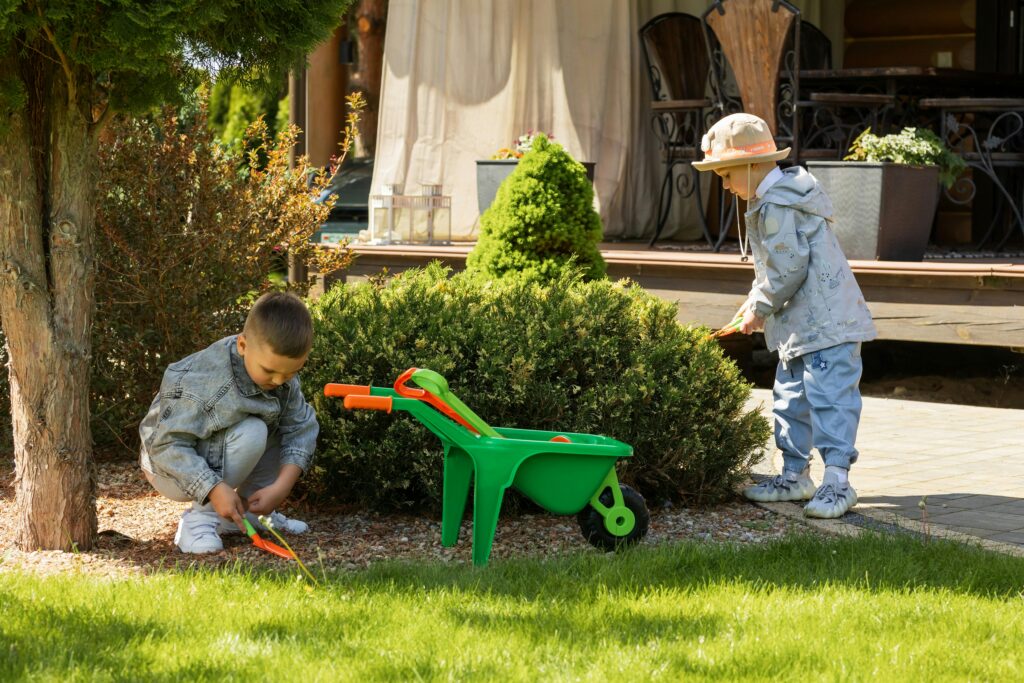
By planting wildflowers, you can create homes for the bees and butterflies in your neighborhood. These seed burst pods are easy to create and make planting wildflowers as simple as throwing a ball. Including a mix of seeds from various plants can lead to a beautiful array of different wildflowers when they bloom.
For the seed pods you can purchase wildflower seed mixes, including ones specifically for plants that support pollinators, or you can purchase seeds for individual types of wildflowers, like Black-eyed Susans or Butterfly Weed.
Materials
- Recycled brown paper bags
- Wildflower seeds
- Water
- Medium sized bowl
- Tray or another flat surface
Process
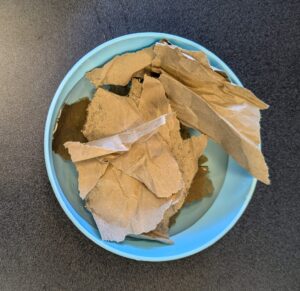
- Tear up recycled paper into strips or small pieces and place them into a bowl of water.
`2. Stir and swish the paper around in the bowl of water. This can be a fun sensory experience while helping the water soak into the paper.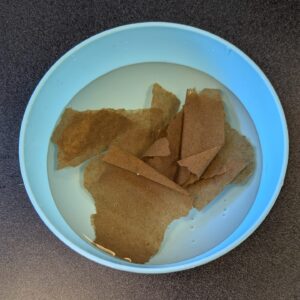
3. Grab a large handful of soaked paper and squish it flat. 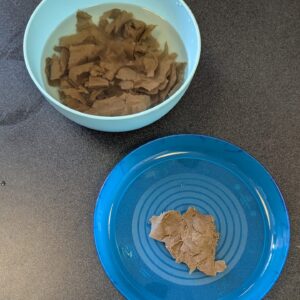
4. Sprinkle a large spoon full of wildflower seeds over the flat paper pulp. 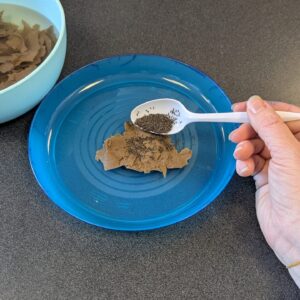
5. Use your hands to shape the paper and seed mixture into a tight ball. 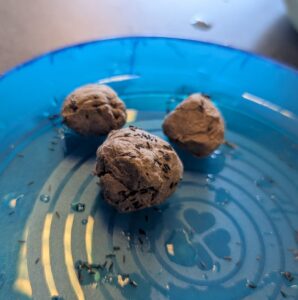
6. Squeeze the ball between your palms to get any extra water out. 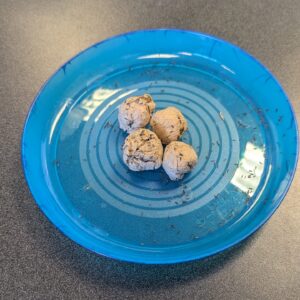
7. Place finished seed pods onto a tray to air dry overnight.
To use your seed pods, simply toss one onto a bare patch of soil and let nature take over. As the pod breaks down, the clustered seeds have a greater chance of sprouting into beautiful wildflowers that support bees, butterflies, and other pollinators. Bloom times will vary depending on the seeds you choose, so keep an eye out and enjoy the surprise as your garden grows. It’s a simple, meaningful way for your family to help care for the environment, one seed at a time.